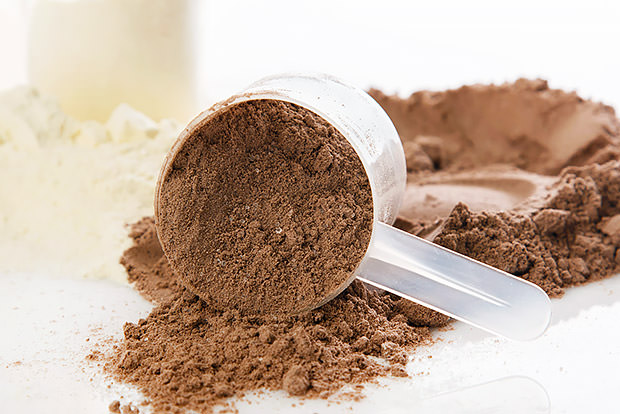
Protein powders were once associated only with weight lifting and muscle building. Due to increased awareness of protein's importance and the development of more varieties, protein powders are now common among the health-conscious. Protein powders do have benefits, but do you need to invest in powders? How will they affect your nutrition? By understanding more about these products, you can decide if protein powders are a good choice for you.
What are protein powders made of?
The most common forms of protein powders are dairy-based (whey and casein) or soy-based. Recently, more protein powder options have hit the market. Some powders are made from goat’s milk, and some are made from eggs. Plant-based protein powders now also include pea, brown rice, and hemp.
How are protein powders used?
Protein powders are often flavored (e.g., chocolate, vanilla, and strawberry) and can be made into shakes. These shakes serve as meal replacements or as pre- and post-workout snacks. The powders can be added to smoothie recipes and can be stirred into yogurt and oatmeal. They are also sometimes mixed into the batter of breakfast foods to create high-protein muffins or pancakes.
What are the pros and cons of using protein powders?
These powders can help boost your protein intake. They may be particularly helpful during periods of increased protein need, such as when training for an event or recovering from an injury. Protein powders are also convenient because they don’t require cooking, nor are they perishable like many other protein sources.
While these powders may be helpful and convenient, many health experts suggest getting your protein from food rather than powders. These powders can be expensive and aren't necessary to improve fitness or build muscle. Since they are consumed in liquid form, they can be less filling than eating solid foods. They can also be highly processed with sweeteners and other additives, so read ingredient labels closely. Also, remember that these powders contain calories. One scoop has as many as 170 calories, but many brands range from 90 to 110 calories per scoop. Loading up on protein powder through high-calorie protein shakes may not be the best option if weight loss is your goal.


 3 Healthy Lunches for Your Work Week
 5 Tips for Stretching Your Budget for Healthy Food
 Best Ways to Reduce Added Sugar
 Healthy Tips to Lighten Up Picnic Foods
 Do You Need to Drink Milk?
 Tips to Keep Track of Water Intake
 Butter vs. Margarine: What’s the Best Choice?
 Healthy Eating Myths

 Pinterest
 RSS Feed