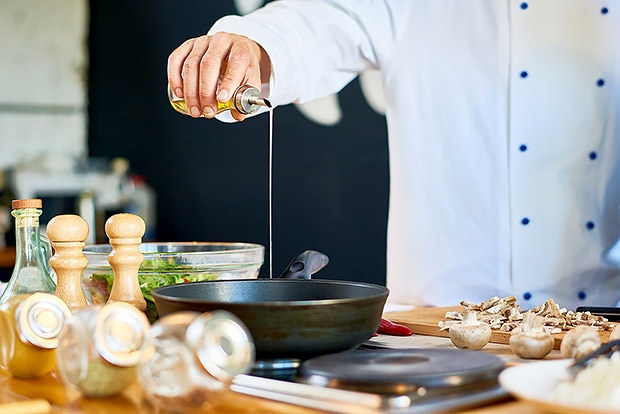
Cooking more of your own food is one way to control what you eat. When you know how much salt, fat, and other ingredients are added, you can better track your intake to meet your fitness goals. While healthy cooking isn't as complex as it might seem, it's easy to fall into a few common traps. These cooking mistakes can influence your perception of healthy foods and prevent you from getting the most nutritional benefit from your meals.
You don't experiment with reducing cooking oil
Follow the recipe the first time you prepare a dish. If it becomes a favorite, try experimenting with it. Many stovetop recipes for sautéed vegetables use two tablespoons or more of oil. While this is sometimes necessary, other recipes cook just fine with less, which will save you 120 calories per tablespoon that you can reduce.
You salt before you taste
Many recipes recommend adding salt at the final step, after the food is fully cooked. Do you add all the salt before tasting it? Everyone's preferences for salt are different, and as you decrease your sodium intake, your taste buds will likely be happier with much less. Try adding half the salt suggested by the recipe, and then taste the food to see if it needs more. You may find that extra salt isn’t necessary.
Your oven overbakes
Sometimes the reason you don’t like a food is simply because it has been prepared incorrectly. Fish can easily overbake and become tough, roasted vegetables can cook unevenly, and cakes using fruit purées in place of fat or alternative flours can dry out. By getting to know your oven, you can work around these obstacles to make healthy foods that taste delicious. Calibrate your oven temperature and identify hot spots that tend to overcook food. You can learn to lower temperatures when necessary and rotate pans to get the best results.
You don't weigh and measure
Unlike baking, cooking doesn’t always need an exact balance of ingredients, but too much freedom in your technique might add extra calories. Adding oils and sauces without measuring, not portioning out the right amount of pasta, and tossing in extra toppings like cheese and dressings can cause your final dish to have more calories than your recipe states. Use your measuring tools to make sure you don’t turn a healthy dish into a high-calorie meal.


 3 Healthy Lunches for Your Work Week
 5 Tips for Stretching Your Budget for Healthy Food
 Best Ways to Reduce Added Sugar
 Healthy Tips to Lighten Up Picnic Foods
 Do You Need to Drink Milk?
 Tips to Keep Track of Water Intake
 Butter vs. Margarine: What’s the Best Choice?
 Healthy Eating Myths
 Pinterest
 RSS Feed